
The Evolution of Book Marketing: From Bookstores to BookTok


Book marketing has always mattered; even if authors didn’t always see it.
Long before TikTok trends and Instagram reels, books lived and died by visibility. Placement in bookstores, reviews in newspapers, library distribution, and carefully planned author tours determined which stories reached readers and which quietly disappeared. Marketing wasn’t optional in traditional publishing; it was simply centralised, structured, and largely invisible to authors themselves.
Fast forward to today, and the landscape looks radically different. A single viral BookTok video can propel a novel to bestseller lists overnight. Readers discover books through influencers, algorithms, and online communities rather than newspaper columns or shop windows. Marketing is no longer hidden behind publishing houses; it’s public, fast-moving, and often driven by authors themselves.
This shift has led to a common misconception: that modern book marketing has replaced traditional marketing. In reality, the opposite is true. What’s changed isn’t whether marketing matters, but where it lives and who carries the responsibility.
Traditional publishing foundations; metadata, ISBN databases, distribution networks, and professional positioning are still essential. Social media hasn’t replaced them; it has amplified them. Books that succeed today often sit at the intersection of both worlds: strong traditional infrastructure paired with modern, community-driven visibility.
For authors, this new reality can feel overwhelming. Even traditionally published writers are expected to build audiences, stay active online, and contribute to their own promotion. Marketing is more important than ever. But doing it well requires structure, consistency, and support.
In this article, we’ll explore how book marketing evolved from bookstore tables to BookTok feeds, why traditional marketing still matters, and how the future of publishing lies in combining both approaches not choosing one over the other.
Where Traditional Book Marketing Started
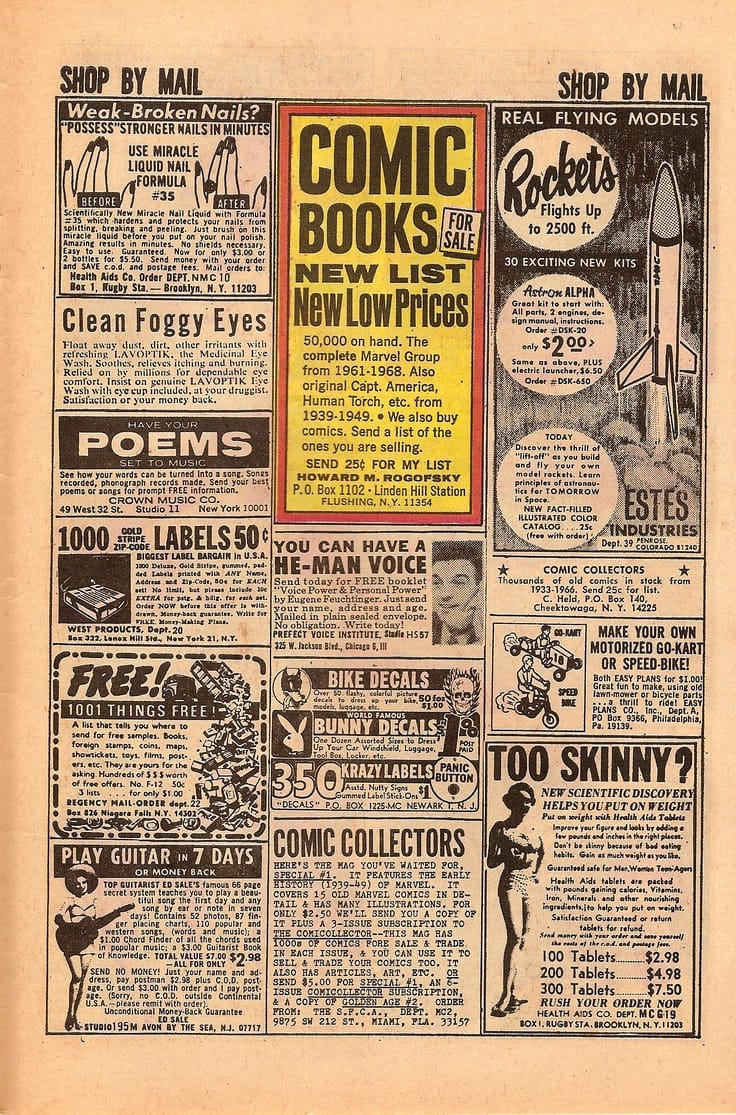
Before algorithms and social feeds, book marketing followed a predictable and highly structured path. Traditional publishers controlled both distribution and visibility, and marketing was built around physical presence, institutional credibility, and paid exposure.
One of the most powerful tools was bookstore placement. Front-of-store tables, end caps, and window displays were prime real estate, often secured through co-op marketing budgets. Being seen in the right place at the right time could determine whether a book reached readers or quietly disappeared from shelves.
Print media also played a central role. Reviews and features in newspapers, literary magazines, and trade publications acted as trusted signals of quality. A positive mention in a respected outlet could trigger library orders, bookstore stocking, and long-term sales momentum.
Beyond bookstores and print, traditional publishers invested heavily in out-of-home advertising. Posters in train stations, billboards on busy streets, ads on buses and underground platforms were common sights for major releases. A striking cover on a commuter platform could reach thousands of readers every day. These campaigns were costly and reserved almost exclusively for lead titles, reinforcing the idea that visibility was something you bought, not something you built.
Author tours and in-person events formed another cornerstone of traditional marketing. Book signings, readings, and festival appearances helped establish legitimacy and personal connection with readers. These events weren’t just about selling copies; they were about reputation, presence, and long-term recognition.
Behind the scenes, publishers relied on distribution infrastructure to support all of this visibility. Seasonal catalogs were sent to booksellers and librarians months in advance. ISBN registrations, metadata, and classification systems ensured books could be ordered, stocked, and recommended across professional networks.
For authors, much of this marketing happened out of sight. Decisions were made by publishers, budgets were allocated internally, and success depended largely on where a book sat within a seasonal list. Marketing wasn’t something authors actively participated in; it was something done for them.
This system worked in a world where access to readers was limited and centralised. But as digital platforms emerged and discovery moved online, the balance of power began to shift setting the stage for a very different kind of book marketing.
The Shift - What Changed and Why
The traditional book marketing model didn’t disappear overnight. It eroded gradually, driven by a combination of technological change, shifting reader behaviour, and economic pressure.
One of the earliest disruptions was the decline of print media influence. Newspapers and literary magazines lost readership, and with them, their ability to reliably drive book sales. A glowing review that once guaranteed visibility began reaching fewer readers, weakening one of traditional publishing’s strongest marketing pillars.
At the same time, book discovery moved online. Amazon reshaped how readers browsed and bought books, replacing bookstore tables with algorithmic recommendations. Search rankings, reviews, and “customers also bought” lists became more influential than physical placement. Marketing was no longer confined to geography; it was global, instantaneous, and data-driven.
Social media accelerated this shift. Platforms like Instagram, YouTube, and eventually TikTok transformed discovery from a top-down process into a community-led one. Readers stopped waiting for critics to tell them what to read and started listening to each other. Authentic reactions, emotional responses, and peer recommendations carried more weight than polished press releases.
Economic realities also played a role. Traditional marketing budgets tightened as publishing houses consolidated. Out-of-home advertising and large-scale campaigns became harder to justify for anything other than guaranteed hits. As a result, much of the responsibility for visibility quietly shifted toward authors themselves; even those publishing traditionally.
Finally, data changed decision-making. Publishers gained access to real-time metrics: engagement rates, follower growth, pre-order numbers, and trend velocity. Marketing was no longer just about storytelling; it became about performance. The question evolved from “Is this book good?” to “Will this book travel?”
Together, these changes redefined book marketing. Visibility became decentralised, discovery became social, and influence became measurable. What once depended on physical presence and paid exposure now hinges on attention, community, and share-ability setting the stage for the rise of bookfluencers as the new tastemakers.
Traditional Marketing Still Matters (More Than People Think)
It’s tempting to believe that social media has replaced traditional book marketing entirely. After all, a viral video can generate more sales in a weekend than months of conventional promotion. But beneath every breakout success, the traditional foundations are still doing critical work often invisibly.
ISBN registration, metadata, BISAC categorisation, and distribution networks remain essential. These systems determine whether a book can be ordered by bookstores, stocked by libraries, indexed by retailers, and surfaced in recommendation engines. Without them, even the most talked-about title struggles to scale beyond a moment of hype.
Traditional marketing also provides credibility. Trade reviews, professional packaging, and consistent metadata signal legitimacy to booksellers, librarians, and readers alike. Social media may ignite interest, but traditional infrastructure is what allows that interest to convert into sustained sales. A reader who discovers a book on TikTok still expects to find it easily, order it without friction, and trust that it meets basic professional standards.
There’s also the question of longevity. Out-of-home ads, bookstore placement, and catalog inclusion were never about instant virality; they were about steady visibility over time. That same principle applies today. Social trends move fast, but publishing careers are built slowly. A book that relies solely on algorithmic attention risks disappearing as quickly as it appeared.
The most successful books in today’s market sit at the intersection of both worlds. They combine modern visibility, influencers, communities, and reader-driven buzz with traditional marketing foundations that support discoverability, trust, and distribution at scale.
In other words, BookTok may be today’s train station poster, but the rails beneath it are still very much traditional. And without those rails, the journey rarely lasts.
Where Marketing Lives Today
Book marketing today doesn’t live in one place. It lives in the space between traditional infrastructure and modern visibility; a hybrid model where neither side works well on its own.
On one side, publishers still provide the backbone: distribution networks, metadata, ISBN registration, pricing strategy, and professional packaging. These elements ensure a book can travel; that it can be ordered by retailers, stocked by libraries, and surfaced reliably in online stores. Without this foundation, even the most talked-about title struggles to scale beyond a brief surge of attention.
On the other side, discovery has become deeply social. Readers find books through creators they trust, communities they belong to, and platforms where emotion travels faster than polish. BookTok, Bookstagram, newsletters, podcasts, and online book clubs now drive the first moment of awareness; the spark that gets readers interested in the first place.
The key shift is that these two worlds are no longer separate. Traditional marketing no longer introduces a book to readers; it supports that introduction once interest exists. Social media creates momentum, while traditional systems make that momentum sustainable. One without the other leads to imbalance: virality without infrastructure, or infrastructure without attention.
For authors, this hybrid reality changes expectations. Marketing is no longer something that happens after publication, nor is it confined to a single campaign. It’s an ongoing process that blends visibility, positioning, and availability. Authors don’t need to be everywhere, but they do need to be supported by systems that work quietly in the background while attention flows in from the front.
The books that succeed today aren’t choosing between bookstores and BookTok. They’re using both intentionally, strategically, and in ways that respect the long arc of a publishing career rather than chasing short-term hype.
The Reality for Authors Today
For authors, this hybrid marketing world comes with a new set of expectations, many of them unspoken. Even traditionally published writers are now expected to show up online, engage with readers, and contribute to their own visibility. Marketing is no longer something that happens entirely around an author; it increasingly happens through them.
For some, this shift is energizing. Social platforms offer direct access to readers, immediate feedback, and the ability to build communities without intermediaries. Authors can test ideas, share progress, and feel connected to the people who care about their work. In the best cases, this creates a sense of ownership and momentum that traditional marketing never offered.
But for many others, the reality is far less glamorous. Maintaining visibility requires consistency, emotional labor, and time all on top of writing. The pressure to stay relevant, post regularly, and respond to trends can turn creative work into a performance. Instead of focusing on the long arc of a book, authors find themselves chasing short-lived bursts of attention.
There’s also a growing mismatch between expectations and support. While authors are asked to do more marketing than ever before, they’re rarely given structure, guidance, or sustained backing. Launches become intense but brief, followed by silence. Without ongoing support, even successful campaigns can fizzle out quickly.
The result is a sense of isolation. Authors are told marketing is essential, but they’re left to figure it out alone navigating platforms, algorithms, and burnout without a clear roadmap. In a system that rewards visibility but offers little stability, it’s no surprise that many writers feel overwhelmed.
This is where the next evolution of book marketing needs to focus: not on asking authors to do more, but on building systems that help them do it together, consistently, and sustainably.
PubliWrite’s 2026 February Marketing Program - A More Sustainable Approach
The challenges authors face today aren’t about effort — they’re about structure. Marketing has become essential, but it’s often fragmented, short-lived, and carried almost entirely by the author. One-off launches create spikes, not careers.
That’s why, starting in February, PubliWrite is launching a focused marketing program designed to test a more sustainable model; one built around consistency, collaboration, and shared responsibility.
We’ll be selecting three authors with completed books and working closely with each of them over a three-month period. Instead of a single launch push, the program is built around steady, structured promotion giving books time to find their audience and momentum to build naturally.
This isn’t about going viral. It’s about showing what happens when authors aren’t left to market alone.
Participants will receive coordinated support across discoverability, visibility, and community engagement combining the traditional foundations of publishing with modern, audience-driven channels. Just as importantly, this will be a collaborative process. We’re looking for authors who want to be involved, open to feedback, and interested in building something together rather than outsourcing marketing to a black box.
The goal of this program isn’t just to promote three books. It’s to learn, document, and refine a model that works better for authors; one that respects the realities of modern publishing without demanding constant self-promotion.
If you have a finished book and are looking for meaningful, sustained marketing support not just another launch checklist, we’d love to hear from you.
Interested in a more sustainable approach to book marketing?
If you have a finished book and are open to collaboration, we’d love to hear from you.
In February, we’ll be selecting three authors to work with over a three-month period as part of our new marketing program focused on consistency, shared effort, and learning together.
👉 Get in touch with us or follow PubliWrite for details on how to apply.